Waste Segregation. These words are simple in form, but the dynamics of their intricacy run deep. The beauty lies in the simplicity of the concept as an approach that optimizes resource recovery; the beast is precisely why municipalities are overwhelmed with the burden of waste; it is difficult to implement at scale.
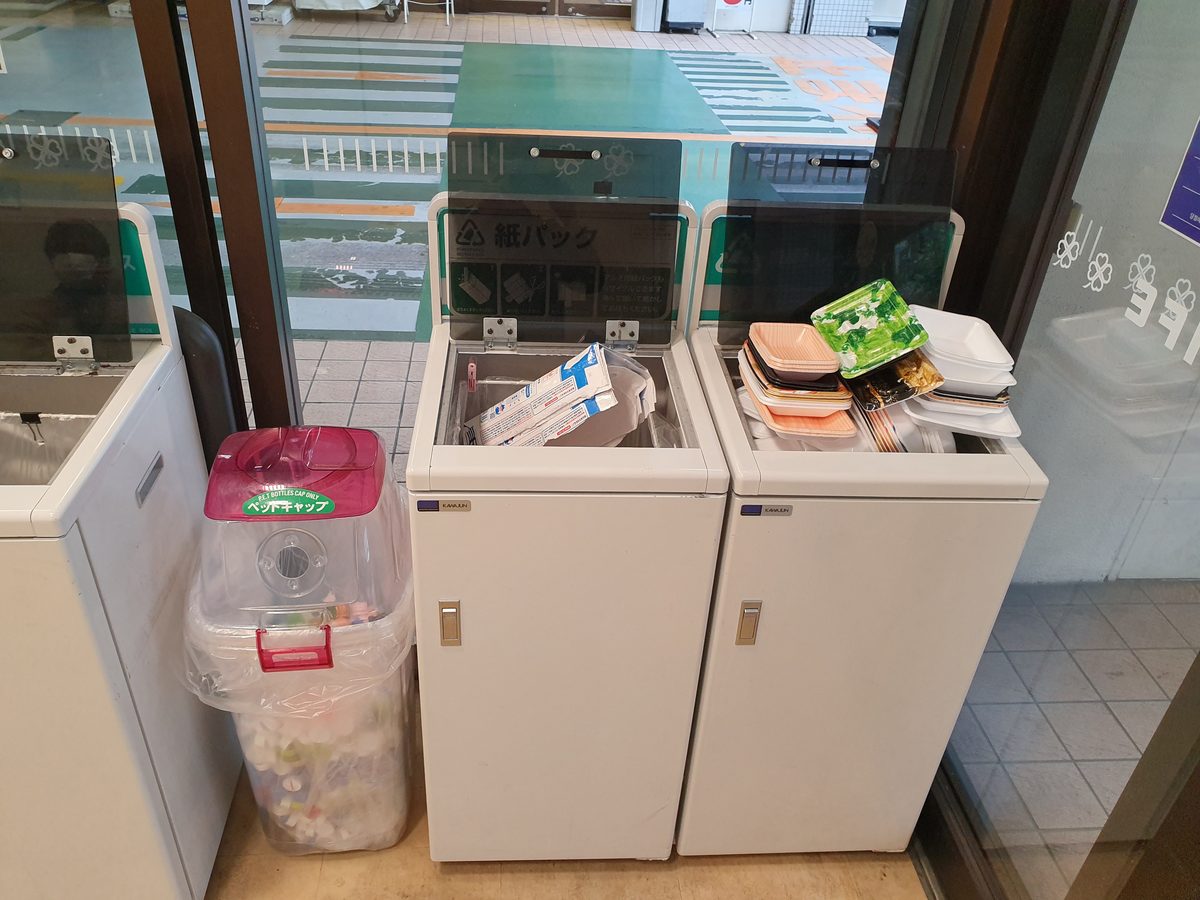
Cheaply put, waste segregation is the simple process of separating waste materials at the point of generation into distinct categories, commonly organics, plastics, paper, glass, metals, hazardous waste, and electronic waste. Although conceptually straightforward and technologically undemanding, the entire waste management value chain depends, heart and soul, on this intervention. So, the basis of all private, public, and scholastic discussions seeking to recalibrate and augment the quality of reverse supply chain of discarded materials must be predicated on building a waste management ecosystem within the precincts of a perfectly structured waste segregation-at-source model. As RevoWaste Technologies, we truly believe that cracking this code is how to unlock the full potential of the over 700-billion-shilling industry whose current permeations feature heavily fragmented, informal, and inefficient processes.
A system with apparent flaws
Looking at the present system, its flaws are apparent, and with fundamental consequences as a result.
- Bin liners are largely black with no color-coding systems imbued.
- Data on the quantity and quality of waste generated per household across characteristically different socioeconomic areas is understated.
- An obscenely destructive mindset and view of waste and waste disposal is pervasive among most Kenyans.
- Generators lack the necessary infrastructure to attain >95% waste segregation rates.
- The layout and design of kitchens and points of waste generation are neither understood nor implemented.
- Technological conveniences that have transformed industries such as retail (Jumia, Kilimall) and transportation (e.g., Uber, Bolt) are almost non-existent at scale.
- There lacks systemically tailored incentivization approaches for proper waste segregation.
- Waste is simply not positioned as PR worthy, where its social engagement would, for instance, match the inclination and obsession Apple users express to the company's products upon their release.
Not a silver bullet, but a foundation
Our years of engagement with waste management have led us to identify several pathways through which up to 99% of waste materials can be recovered before contamination at the source compromises their economic and environmental value. But this bold assertion is not absolute, as waste segregation is not a silver bullet. It is simply the foundation upon which a series of interconnected infrastructures must be built. These — tailored practical color-coded waste receptacles model; laser-effective buyback centres; functional transfer stations; e-powered logistics; digital and AI/ML infrastructure; objective school and public education initiatives; EPR infrastructure; AI and ML-Assisted RnD on biological, chemical, and mechanical waste valorization methods; and the industrialization of recovered materials — constitute the web of infrastructure that advance the pipeline of value from segregated waste materials.
To us, the real challenge, and fortunately the real opportunity, is in designing, and subsequently perfecting the designs of institutions, incentives, technologies, logistics networks, and market systems that are necessary to make segregation the default behavior rather than the exception. Economically, even in the absence of perceived value of waste-derived industrial feedstock, RevoWaste Technologies unapologetically adopts a contrarian view of waste and value.
The Principle of Conserved Value
Support towards this philosophy finds root in the Principle of Conserved Value, where, in the laws of conservation of matter and energy, value does not disappear when materials are discarded. Rather, plastics remain polymers, metals remain metals, nutrients stay the same, and energy remain stored within matter. The possibility of an ultra-functional waste segregation model, therefore, projects a future where resources are cyclical and points of contamination are closed. In this regard, the mission is not the creation of value from waste, but rather to reveal, recover, and reintroduce the value that was present all along.
Humility, culture, and civic responsibility
Reaching the heights of recycling as attained by Japan, Germany, South Korea, Taiwan, and Austria requires, first and foremost, the spirit of humility. With this virtue, the entitlement of assuming someone else will clean one's mess disappears by shifting the habit to a civic responsibility. The cultural dimensions of waste management are perhaps best illustrated by Japan. During the 2026 FIFA World Cup, Japanese supporters once again gained international recognition after cleaning stadium stands following matches against the Netherlands and Tunisia. While seemingly symbolic, the actions portrayed reveal a deeper societal principle: waste management begins with the acceptance of personal responsibility. Positively, and thankfully, this was met with global recognition on X (Twitter), with thousands of accounts appreciating the move and championing for its adoption.
And where environmental consciousness and civic responsibility are insufficient, such as is ubiquitous in many African nations, deriving the full value of waste through the principles of economics to enforce civic duty finds feasibility. Crafted in line with practicality, economics, and human psychology, a functional waste segregation program in Kenya would be comparable to a financial ecosystem where each household functions as a micro-enterprise, every waste stream constitutes an asset class, and acts of segregation an economically rewarded behaviour. Engineered in this manner, incentives, infrastructure, regulation, convenience, and social norms converge to make the correct behaviour the easiest and most rewarding one.
Beauty and the beast
Looked through the lens of beauty and the beastly features accompanying the elements of waste segregation, the beast of human indifference may then ultimately be subdued by combining appeals of morality, establishing an integrated infrastructure, and ensuring the indispensability of economic incentives. Fleshed out further, the beauty is in the extraordinary potential to transform waste into resources, create jobs, conserve natural capital, and power circular economies. The beast resides in the pernicious habits, systemic inefficiencies, and behavioural complacency that allow valuable materials to be mixed, contaminated, and ultimately lost to landfills and the environment.
Therefore, success on attaining a near-perfect waste segregation model must hinge on the multidimensionality of infrastructure, behaviour change, convenience, sustainable economics, policy, and entrepreneurial shrewdness, which ensures that the captured waste is repurposed to valuable outputs that can compete on quality, cost, distribution, and innovation.